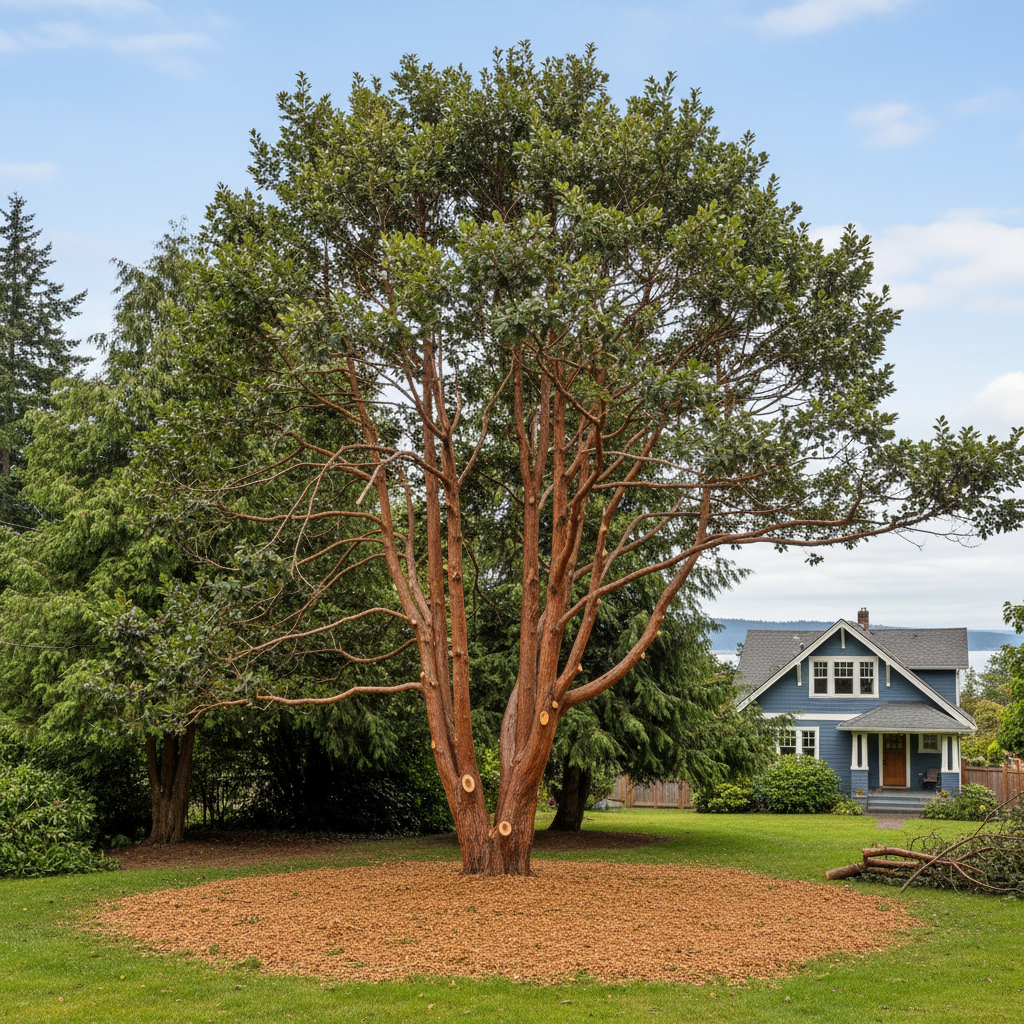
You've put time and money into your trees, whether they're those big, old ones or just newly planted saplings. So, how do you make sure they stick around, looking good and staying healthy for years? It's not as simple as just planting them and walking away. Trees, especially here in the Pacific Northwest, really need some ongoing care and attention. Think of it like keeping up with your car; regular check-ups can prevent much bigger, more expensive problems later on.
Making Your Tree Work Last Longer
When we finish a big job for you, maybe a major prune or even a tree removal, you naturally want that investment to pay off for a while. The best way to make any tree work last is really about understanding how a tree grows naturally and then responding to that. After a good structural pruning, for instance, we've set the tree up for success. But trees keep growing, right? They don't just stop because we trimmed them once. You'll want to watch for new growth, especially water sprouts or suckers that can pop up. These are often weak, fast-growing shoots that can actually undo the good work we've done. They might create dense, unhealthy growth patterns or compete with stronger, more important branches.
Mulching is another huge one, particularly for younger trees or those that have been through some stress. A good, 2-4 inch layer of organic mulch (like wood chips, but keep it a few inches away from the trunk itself) helps hold onto moisture, keeps the soil temperature steady, and stops weeds from growing. Here in Tacoma, with our sometimes heavy clay soils and wet winters, mulch can really help with drainage and getting air into the soil too. It's a simple, inexpensive thing you can do that makes a massive difference.
Regular Tree Maintenance: What to Spot
So, what does "regular maintenance" actually look like for a homeowner? Mostly, it's about observing things and using a little common sense. Just walk around your property once a month, especially after a storm, and really look at your trees. Here's what I usually tell people to keep an eye on:
- Watering: Even in a wet place like Tacoma, we do get those dry spells in summer. Young trees, especially, need consistent watering for their first few years. Deep, infrequent watering works better than just a shallow, frequent sprinkle. You really want that water to soak down to the roots.
- Pruning for Health: You don't need to be a professional arborist to snip off small dead branches or crossing twigs. If you can reach it safely from the ground with hand pruners, go for it. Just make sure your cuts are clean and don't leave stubs.
- Pest & Disease Checks: Look for anything unusual. Are leaves turning yellow or brown when they shouldn't be? Do you see strange spots, holes, or growths on the bark or leaves? Are there webs or insects you don't recognize?
- Trunk & Root Collar: Make sure the base of the tree is clear. No grass, no weeds, no soil piled up against the trunk. This area, called the root collar, needs to breathe.
These little checks can stop a small issue from becoming a big, expensive one. It's kind of like checking your tires before a long drive, isn't it?
Warning Signs Your Tree Has a Problem
Alright, so you're looking at your trees. What are the big red flags that tell you something's not right? These are the things that should make you pick up the phone and call a pro like us at Tacoma Tree Service:
- Sudden Leaf Drop or Discoloration: If your deciduous tree is dropping leaves in July, or your evergreen's needles are browning all over, that's a problem.
- Dead Branches: A few small dead twigs are normal, but large dead branches, especially those hanging over your house or driveway, are a serious hazard.
- Cracks or Splits in the Trunk or Major Limbs: These are structural issues that could lead to a catastrophic failure. Seriously, don't ignore them.
- Fungal Growths: Mushrooms or conks growing on the trunk or at the base of the tree often point to internal decay.
- Leaning: If a tree suddenly starts leaning, or you notice the ground heaving around the base, that's an emergency. This is especially true after a heavy rain or wind storm, which we get plenty of around here.
- Pest Infestations: If you see a lot of sawdust, holes in the bark, or large numbers of insects, it's time for an expert opinion.
- Girdling Roots: Roots growing around the trunk, essentially strangling it, can slowly kill a tree. Often, you'll see one side of the tree looking healthy, and the other side struggling.
When to Call a Professional
You might be handy, but some jobs are just too big or too dangerous for a DIY approach. When should you definitely call in the pros? Any time you're dealing with:
- Large Branch Removal: Anything that needs a ladder, a chainsaw, or is near power lines. Seriously, don't mess with power lines.
- Tree Removal: Unless it's a tiny sapling, leave this to the experts. It's incredibly dangerous.
- Structural Pruning: If you're trying to improve the overall shape, health, or stability of a mature tree, you need someone who understands tree biology and proper cutting techniques. Bad pruning can do more harm than good, you know.
- Diagnosing Disease or Pest Issues: If you see warning signs and aren't sure what's going on, an arborist can properly identify the problem and recommend treatment.
- Storm Damage: After a big windstorm, like the ones that can sweep through the North End, you might have broken branches or a tree that's now leaning precariously. We're equipped to handle these situations safely.
- Planting Large Trees: Getting a big tree off to the right start is crucial. We can advise on species selection for our specific climate and soil, and ensure proper planting techniques.
The bottom line is, if you're ever in doubt, or if a job feels unsafe, just give us a call. We'd rather you call us for a quick inspection than try to tackle something dangerous yourself and end up hurt or with a damaged tree. Your trees are an asset to your property; let's keep them that way.