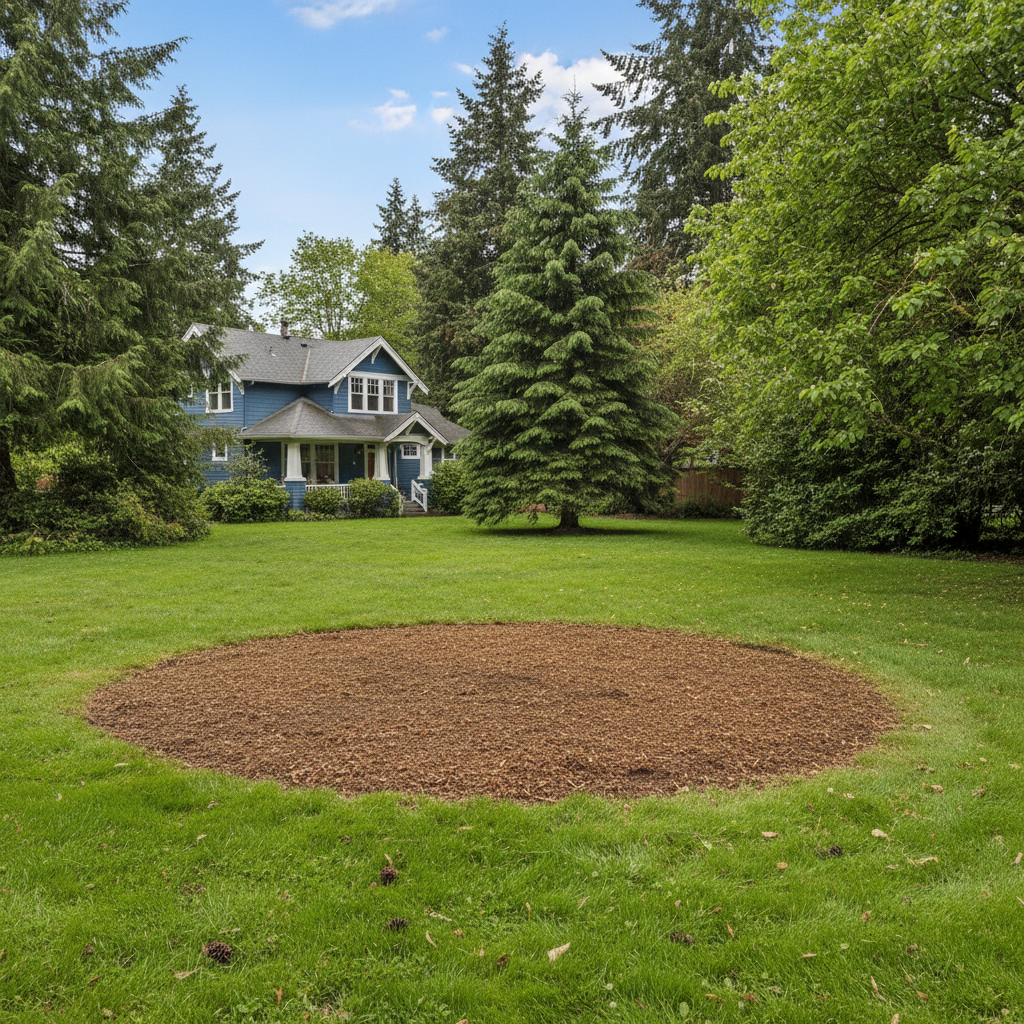
So, you finally got rid of that eyesore of a stump. Good for you! Whether it was an old fir that just got too big or a maple that didn't quite make it through a rough winter, getting it ground out is a big step. But the job isn't quite done when the grinder pulls away. You've got a bit of maintenance to do if you want that spot to stay clear and blend nicely back into your yard. I've seen plenty of folks think it's 'set it and forget it,' but that's not always the case, especially here in Tacoma, is it?
What Happens After the Grinder Leaves?
When we grind a stump, you're left with a pit full of wood chips and soil. We usually grind down about 6 to 12 inches below the ground level, sometimes even more, depending on the root system and what you plan to do with the area. Those chips are organic material, of course, and they're going to decompose. That's a good thing, but it also means the ground will settle over time. You'll often see the area sink a bit, especially after a good rain — and we get plenty of those around here.
Making the Work (and Your Yard) Last Longer
The main goal after stump grinding is getting that area ready for whatever's next. Maybe you're planting grass, starting a new garden bed, or even putting in a small patio. Here's what I tell my clients:
- Fill It Up the Right Way: Don't just leave the wood chips there if you're planting. They'll break down and actually steal nitrogen from your new plants, plus they'll settle unevenly. I always recommend removing most of the chips and backfilling with good quality topsoil. If you're just putting down grass, a few inches of topsoil over the remaining chips is usually fine.
- Compact and Settle: After you backfill, water the area thoroughly. This helps the soil settle naturally. You might need to add more soil a few times over the next couple of weeks as it compacts. If you're planning on building anything on top, you'll want to compact it more aggressively, obviously.
- Think About Drainage: We get a lot of rain in Tacoma, especially in the fall and winter. Make sure your filled-in area doesn't create a low spot where water can pool. You might need to build it up slightly higher than the surrounding ground initially to account for future settling.
Regular Maintenance: Keeping an Eye on Things
Once you've got the area filled and planted, maintenance is pretty straightforward. It's mostly about watching what happens.
- Watch for Settling: For the first year or two, keep an eye on the spot. If it sinks, add more topsoil. This is especially true in areas with heavy clay soil, like we have in some parts of Tacoma, where water can sit and speed up decomposition.
- Deal with Sprouts: Sometimes, especially with certain tree species like maples or alders, you might get new sprouts trying to come up from any remaining root fragments. Just snip them off as soon as you see them. If they're really persistent, you might need a targeted herbicide, but usually, just cutting them back repeatedly starves the root.
- Monitor for Fungi: As the buried wood chips and roots break down, you might see mushrooms or other fungi pop up. This is usually a sign of healthy decomposition and isn't typically a problem unless they're growing on something you don't want them to. Just kick 'em over if they bother you.
Warning Signs That Something's Off
Most of the time, stump grinding goes smoothly and the area heals up fine. But there are a few things that might tell you something's not quite right:
- Excessive or Rapid Settling: If the ground keeps sinking significantly — much more than just a few inches over a year — it could mean there's a larger void underneath or the decomposition is happening faster than expected.
- Persistent Sprouts: If you're constantly fighting off new tree sprouts from the same spot, it might indicate that a larger root section wasn't fully ground out, or the tree was just particularly tenacious.
- Unusual Odors or Pest Activity: While rare, if you notice a strong, unpleasant smell or a sudden increase in pests like termites or carpenter ants in the area, it could be a sign of extensive, decaying wood that's attracting unwanted visitors.
When to Call a Professional (Like Us)
Look, most of the time, you can handle the aftercare yourself. But there are times when it's smart to call in the pros. If you're seeing any of those warning signs, especially persistent sprouting or major settling, give us a shout. We can come out, check out the situation, and figure out if more grinding is needed or if there's another issue at play. Sometimes, if the original stump was massive or had a really extensive root system, a second pass with the grinder might be necessary to get it completely taken care of.
Also, if you're planning a major landscaping project right on top of where the stump was — like building a deck or pouring concrete — you'll want to make sure that area is as stable as possible. We can advise on the best way to prepare the site to avoid future headaches. At Tacoma Tree Service, we don't just grind the stump; we want to make sure the spot stays clear for you for years to come.